

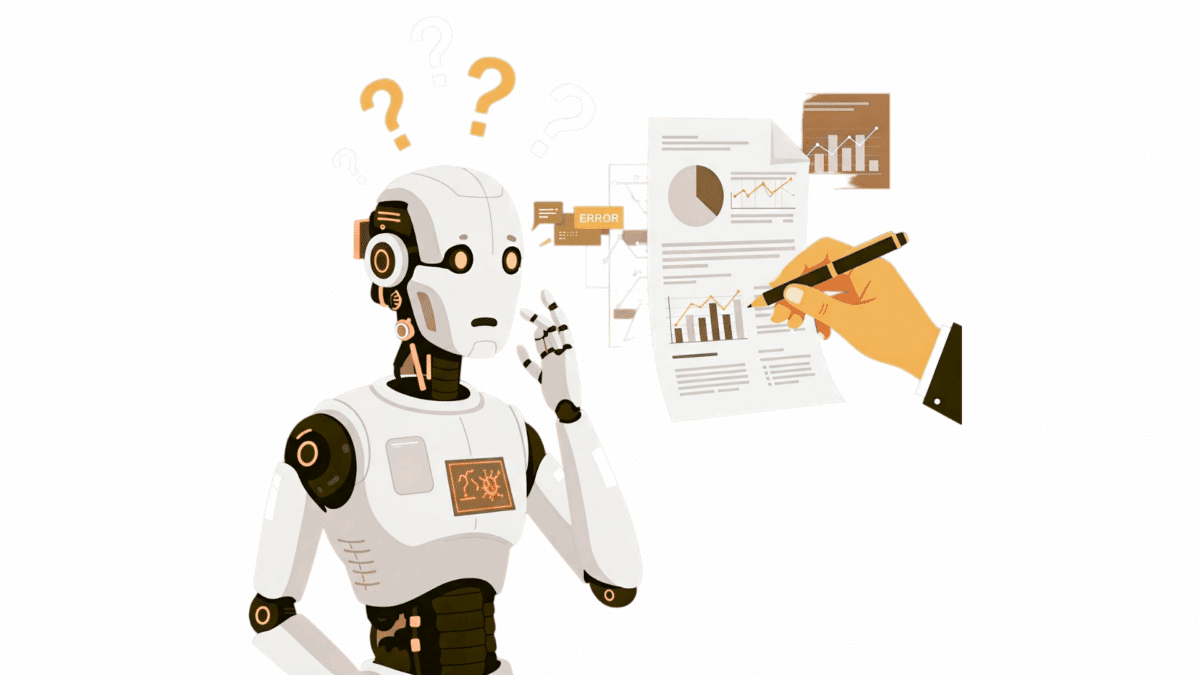
We all know the buzz around automation in insurance, right? AI is popping up everywhere, promising to streamline everything from quotes to claims. And it does so. But there’s still a whole chunk of the insurance world where human smarts and touch are absolutely irreplaceable. Or should we say high touch?
We’re talking about what we can call “exotic insurance”. But not in the sense of insuring tropical islands or exotic creatures (though the latter is a thing!). Instead, think about those complex, one-of-a-kind risks that algorithms just can’t fully wrap their digital heads around. These are hard-to-automate, high-touch insurance cases.
For insurance folks, getting a handle on this landscape is key to staying relevant and even getting ahead in their careers.
- Introduction to the Insurance Industry
- What Exactly Is High-Touch Insurance?
- What Makes Insurance Hard to Automate?
- Insurance Lines Difficult to Fully Automate
- Why We Still Need Human Expertise (and Probably Always Will)
- Collaboration, Not Replacement
- Wrapping Up: The Human Advantage in the World of Process Automation
Introduction to the Insurance Industry
The insurance industry is no stranger to complexity. It’s a tightly regulated space designed to shield people and businesses from life’s many uncertainties—be it through life, health, property, or casualty coverage.
But while the industry excels at managing risk, it’s long been held back by outdated, manual processes and mountains of insurance documents. Speed and agility haven’t exactly been its trademarks.
That’s starting to change. With technologies like AI, machine learning, natural language processing, or robotic process automation (RPA) entering the scene, the industry is seeing rapid advancements.
Insurance process automation is emerging as a game-changer. It’s streamlining operations, cutting operational costs, and, most importantly, creating smoother, faster experiences for both insurers and their customers.
There’s a “but” though. Relying solely on technology isn’t always on the table. There are areas of the industry so unusual (some, like us, might even call them exotic), where insurance automation limits surface and technology just won’t cut it.
What Exactly Is High-Touch Insurance?

So, what do we mean by this “exotic” (since we used the term, we might as well stick to it) high-touch insurance? Think of it here as meaning insurance that’s hard to automate”. It’s not necessarily about insuring the weirdest things out there.
In simple terms, high-touch insurance means more than just talking to a broker. It involves deep consultations, custom policy design, and often long-term relationships. It’s the polar opposite of “click-to-bind” insurance. Basically, we’re highlighting the insurance industry lines, where figuring out the risk, writing the policy, and handling claims processing is characterised by a great degree of complexity.
These are the situations where standard formulas and automated systems often fall short. The defining characteristic here is the profound need for human judgment. And that means nuanced understanding and the ability to craft bespoke solutions tailored to highly specific circumstances.
So, why should it matter to you as an insurance professional?
Well, in a world of automation technologies, where machines are taking over repetitive tasks and other manual processes, being the go-to person for these complex scenarios is an excellent way to stand out and bring real value to the table. It’s where your expertise, critical thinking, and interpersonal skills truly shine, offering a pathway for career growth and contributing to the strategic advantage of your organisation.
What Makes Insurance Hard to Automate?
What are the tell-tale signs of insurance that’s resistant to full automation? Here are a few clues:
Complexity and uniqueness of risk
Imagine insuring a brand-new type of tech that barely anyone understands. Or a massive construction project (oftentimes, with a million things that could go wrong). There’s just not enough past data for a computer to learn from. Besides, each scenario involves a web of interconnected risks. Hence, you’ll have to demonstrate a deep understanding of the underlying technology, processes, and potential failure points.
High value and low frequency
Insuring incredibly valuable assets like priceless works of art or covering catastrophic but rare events like a satellite launch going sideways calls for a level of scrutiny and assessment that goes beyond standard statistical models. The stakes are high, but these events don’t happen often enough for reliable automated predictions. Structured data plays a crucial role in automating these assessments, but it often falls short without human intervention. These non-automated insurance lines need human expertise.
Subjectivity and the need for human judgment
How do you put a number on the damage to a company’s reputation after a cyberattack? Or figure out the business interruption costs when something totally unexpected happens? Predictive analytics can enhance decision-making by providing AI-driven insights. But sometimes, you just need that human touch and experience to make a call.
Evolving and new risks
The insurance world isn’t standing still—it’s constantly being challenged by the next big thing. Insuring cutting-edge innovations like autonomous vehicles or the unique risks associated with quantum computing are merely two such examples. When there’s no historical data to lean on and the risks are still unfolding, it takes sharp minds and forward-thinking professionals to step in. Designing coverage for the unknown means understanding bleeding-edge innovation and building protection around it—sometimes before the ink’s dry on the tech itself.
Insurance Lines Difficult to Fully Automate
To give you a better picture, let’s look at some real-world examples of high-touch insurance lines that remain firmly in the realm of human expertise:
- Fine Art and Collectibles: Valuing unique and often illiquid assets. Assessing their condition. Understanding the specialised risks associated with their transit and storage. It all takes an expert eye.
- Space and Aviation: Covering the high-stakes world of satellite launches, aircraft manufacturing, and aviation operations is complex. Insuring these industries needs people who know all the nitty-gritty of the technical side and can assess unique risks.
- Political Risk and Trade Credit: Dealing with things like geopolitical instability, sovereign debt defaults, or broken contracts takes a solid grasp of global affairs—and the ability to make sense of political and economic shifts that can be anything but predictable.
- Cyber Insurance (complex cases): While basic cyber coverage might be getting automated, dealing with really sophisticated attacks and the knock-on effects on a business still needs a human investigator.
- Construction and Engineering (large, bespoke projects): Insuring large-scale infrastructure projects means dealing with complex engineering and the risk of delays or budget blowouts. It takes real, on-the-ground expertise and a sharp eye for the risks that come with each unique build.
- Marine Insurance (specialised vessels and cargo): Covering unique vessel designs, high-value or hazardous cargo, especially when international rules are involved, requires someone with specialised knowledge of the maritime world.
- Event Cancellation (high-profile events): Imagine trying to insure a large-scale music festival against risks like pandemics or terrorism—it calls for a nuanced understanding of all the what-ifs that could lead to a serious financial fallout.
These are hard-to-automate insurance scenarios where risk isn’t standardised, and neither is the policy.
Why We Still Need Human Expertise (and Probably Always Will)

Sure, there are plenty of benefits that come from automated workflows in the insurance industry, but only when the input is clean, structured, and repeatable. The moment you enter ambiguous territory, insurance automation limits become clear. You can’t program intuition. You can’t automate a gut feeling. And in insurance, those instincts often come from years of experience.
In these hard-to-automate insurance lines, human professionals bring a unique set of skills to the table that algorithms simply cannot replicate:
- Deep Risk Assessment and Underwriting: Seasoned underwriters know how to break down complex scenarios, identify non-obvious risks, and develop tailored risk management and mitigation strategies. They can also price policies based on the bigger picture—not just what the data says, but what their expertise and guts tell them.
- Smooth Negotiation and Building Relationships: For clients facing complex, high-stakes risks, trust and clear communication are everything. Skilled insurance brokers and underwriters can work through the fine print of complex policies to make sure the coverage is spot-on for the client (leading to improved customer satisfaction)—and still solid for the insurance providers.
- Complex Claims Handling: When a claim comes up in these more unusual types of insurance, it often means digging into complex investigations and decoding tricky policy language—usually in the middle of a one-of-a-kind situation. That’s why experienced insurance claims processing adjusters are so valuable—using their judgment and problem-solving skills, they cut through the complexity to reach fair, well-reasoned outcomes.
- Innovation and Product Development: Tackling emerging risks calls for creativity, curiosity, and a deep understanding of how industries and tech are shifting. The pros behind this work aren’t just keeping up—they’re pushing boundaries, rethinking existing products, and building new solutions tailored to what clients will need next. These insurance professionals are the ones turning complex change into real opportunity.
These aren’t just tasks—they’re what high-touch insurance is all about: meeting clients where they are, with human insight, care, and strategic thinking.
Collaboration, Not Replacement

While robots aren’t about to take over the world of insurance, technology can definitely help us out. But when it comes to complex insurance risks, AI is more of a co-pilot than a replacement.
Instead of reading piles of insurance documents, you can get tech to do it for you. Artificial Intelligence and machine learning can sift through massive amounts of data, highlighting patterns that might otherwise be missed. But these tools are still finding their footing in rare, high-risk scenarios. Specialised software can map out risks, guiding professionals through scenario planning, while digital platforms are turning teamwork into a breeze. Remote sensing and IoT are acting like the eyes and ears in the field, offering real-time data to keep tabs on risks that might otherwise slip through the cracks. AI and RPA solutions can significantly automate processes within the insurance industry. This enhances efficiency and accuracy in tasks like claims resolution and data processing.
But let’s be clear—when it comes to unusual insurance lines, technology is here to boost human abilities, not replace them. The big decisions, especially the ones that need a lot of judgment, will still come down to us—humans.
The future of hard-to-automate insurance is probably going to be a team effort, with humans and technology working side by side. If you’re an insurance provider who’s good at thinking critically, communicating clearly, and isn’t afraid of new tech, you’re going to be in a great position to thrive in this exciting part of the industry.
Wrapping Up: The Human Advantage in the World of Process Automation
In an age where algorithms promise to do it all, insurance says: not so fast. These are challenges that don’t fit the mould—messy, complex, and deeply human. No AI can replace the sharp instincts, experience, and creativity it takes to tackle them. When the stakes are high and the variables unpredictable, it’s human expertise that makes the difference.
For insurance providers, taking on the challenges and opportunities is where insurance reveals its deeper purpose. What’s that? Delivering calm in chaos, clarity in complexity, and real protection when there’s no playbook. That’s not just business— that’s the heart of what this profession was built for.
No matter how far the industry evolves, one thing’s certain—when the stakes are high and the variables unpredictable, the most powerful tool isn’t code—it’s the expert who can read between the lines. In these non-automated, high-touch insurance lines, people make the difference.
Curious how technology and human expertise can work hand in hand in your organisation?
At Shaped Thoughts, we build tools that support—not replace—insurance professionals. Let’s talk about how we can help you automate the routine and elevate what truly matters.
Get in touch with us today!

