

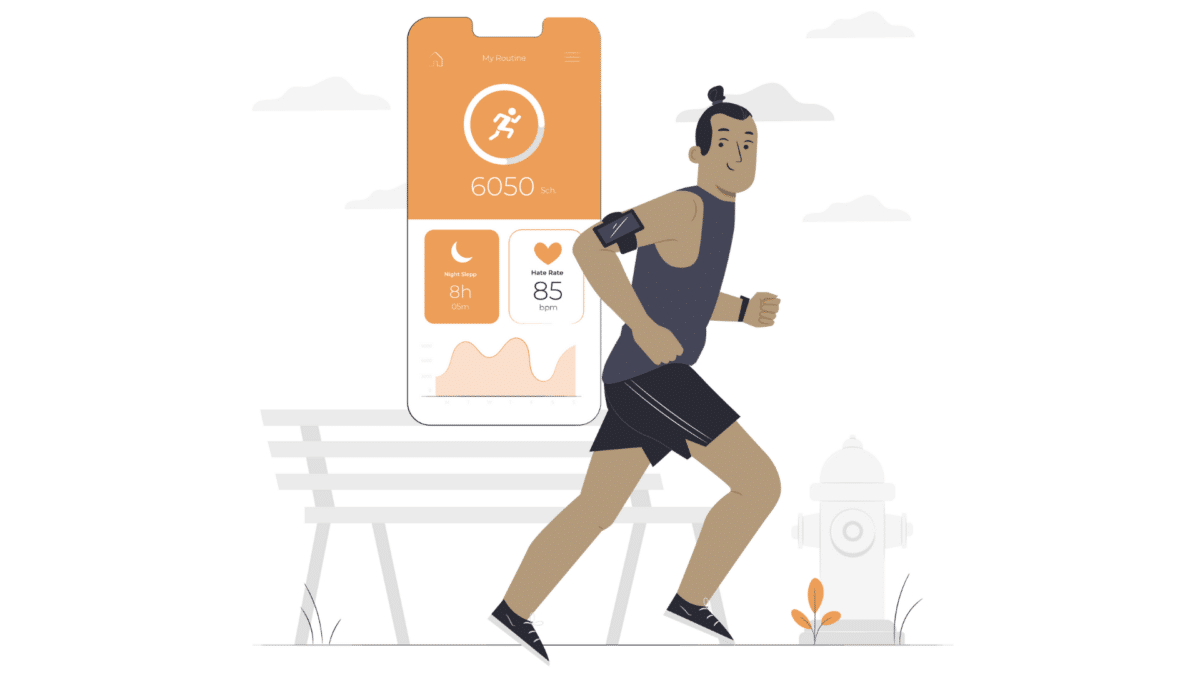
A smartwatch nudges someone to take more steps. A fitness tracker logs a night of restless sleep. A wearable ECG flags an irregular heartbeat. These tiny, everyday moments are adding up to something big in health insurance. With real-time health data at their fingertips, insurers have a chance to move beyond traditional risk models and offer more personalised, dynamic coverage.
But with new possibilities come big questions: How do you ensure fairness in pricing? How much data is too much, and where do you draw the line between personalisation and privacy?
What Are Wearables and Why Do They Matter in Insurance?
Wearables, also known as wearable technology or wearable devices, are compact electronic gadgets designed to be worn on the body. These devices incorporate advanced electronics, sensors, and connectivity features to collect, analyse, and transmit data about the wearer or their environment.
Most wearables can connect to the internet or sync with mobile devices, allowing for real-time insights. Examples of such technology include:
- smartwatches,
- fitness trackers,
- smart glasses,
- smart clothing,
- health monitoring devices
- virtual augmented reality headsets.
Wearable technology offers a personalised approach to monitoring health and well-being, making it a valuable tool in the digital age for users and industries like healthcare and insurance.
Key Benefits of Wearables in Insurance

Smarter risk assessment
Instead of relying on outdated medical records, thanks to wearable devices, insurers can now get up-to-date insights into a policyholder’s health. These include things like physical activity, heart rate, sleep patterns, and much more. Using this wearable health data allows for more precise risk calculations and fairer pricing, not to mention significantly cutting underwriting costs.
Evolving underwriting practices
Speaking of, wearable tech in insurance has sparked significant innovations in insurance underwriting. One major shift is the use of third-party data to enhance underwriting models, allowing insurers to simulate insurance pools and refine risk predictions.
Insurers are also looking beyond traditional health metrics like BMI and cholesterol. New indicators, such as the waist-to-height ratio, are gaining attention as potential markers for better health assessments.
Proactive health management
Using wearables in healthcare gives insurers a window into their customers’ well-being, allowing them to flag early signs of potential health risks and encourage preventive measures. By working with healthcare providers, they can offer personalised guidance that helps prevent bigger health issues down the road—while also keeping medical costs in check.
Rewards for staying healthy
With wearables in insurance, policyholders have the chance to get some perks. How so?
A 2019 Health Information National Trends Survey study found that wearables increased physical activity, especially among chronic patients, notably those with hypertension.
Another research, one on ischemic heart disease patients, showed that using wearables with financial incentives and personal goals via wearables boosted daily steps—1,501 more in the maintenance phase and 1,066 in follow-up.
Many insurers now offer insurance rewards programmes for customers who meet specific health metrics tracked by wearables. Several examples include Cigna, United Healthcare, and John Hancock Vitality. And according to United Healthcare, 75% of employees who used a well-being programme said it made a positive difference to their health.
Improved customer engagement and retention
The rewards programmes mentioned above do more than just encourage healthy habits—they also help insurers build stronger relationships with their customers. With AI and behavioural analytics, insurers can create customised policies that reflect individual lifestyles. Those who exercise more and take care of their health could see lower premiums, making insurance feel more tailored and rewarding, which altogether leads to a better customer experience.
Market growth
The wearables market is expected to grow from $66.45B in 2025 to $528.58B by 2033. That’s a clear sign wearable tech in insurance is here to stay, driving innovation in insurance and creating new opportunities to enhance offerings and customer experiences.
Challenges of Wearables in Insurance to Keep in Mind
Data privacy and security
The constant flow of wearable health data comes with a big responsibility—keeping it safe. Insurers need to follow strict privacy laws which govern data use and privacy, like GDPR, and, just as importantly, be upfront about how they collect, store, and use this information to earn customers’ trust.
Ethical concerns
Using wearable devices in insurance brings up some tricky questions. For one, how do insurers balance privacy with collecting personal data? It’s important for insurers to be clear about what data they’re using and why, so customers understand how it affects their premiums or coverage.
Another concern here is the risk of bias or discrimination. Should a less active lifestyle mean higher premiums? Insurers must avoid penalising customers unfairly based on wearable data alone.
These are serious issues that insurers need to tread carefully, finding the right balance between innovation, ethics, and compliance.
Data accuracy and reliability
Wearable health monitoring devices aren’t always spot-on—the data can be inconsistent or inaccurate at times. Insurers need to account for incorrect readings or device malfunctions to ensure fair and reliable decision-making.
Accessibility for all customers
Not everyone owns or wants to use a wearable device. Insurers need to think about ways to keep their digital health programs accessible, offering alternative options for less tech-savvy customers.
What’s Next for Wearables in Insurance?
In the near future, wearables will do more than just track steps and heart rates. We can expect to see things like:
- Mental health tracking: Wearables might soon monitor stress and other mental health indicators, giving insurers a fuller picture of a person’s well-being and offering ways to support mental health.
- Environmental monitoring: It’s possible that we’ll also see wearables tracking exposure to environmental risks like pollution or UV rays, giving insurers more insights into health risks.
Health insurance is becoming more digital, personalised, and data-driven. Wearables will play a big role, but insurers will need to make sure they’re keeping things fair, secure, and accessible for everyone.
Are wearable devices the future of health insurance? It looks like they might be—but how well insurers adapt to the changes ahead will make all the difference.
Final Thoughts
Wearables can be everywhere—on our wrists, in our pockets, or even woven into our clothes. But this tech isn’t just about counting steps anymore. And most definitely, it’s no longer just a consumer trend—it’s reshaping industries, including insurance. Equipped with real-time policyholder health data, insurers have new opportunities to refine risk assessment, personalise policies, and engage customers in entirely new ways.
As wearable technology becomes more sophisticated, their impact on insurance will only grow. It’s up to insurers to harness it in a way that benefits both their business and their customers. Those who adapt strategically will gain a competitive edge—those who don’t risk falling behind in an increasingly digital, data-driven market.
Interested in exploring how you can enhance your insurance offerings? Get in touch with us to start shaping the digital future of your business today!

